

Whispers That Learned to Write
Journeys across the first signs carved, inked, and pressed into memory
Before Letters Came Counting
Long before anyone traced a name, people tracked promises with clay counters stacked in jars and sealed with marks that stood for sheep or oil or jars of grain, and in time the seal impressed on the jar evolved into a sign that could travel without the jar, which changed memory from a private burden into a public tool that anyone with training could verify.
Clay Tablets and the Pressure of Thought
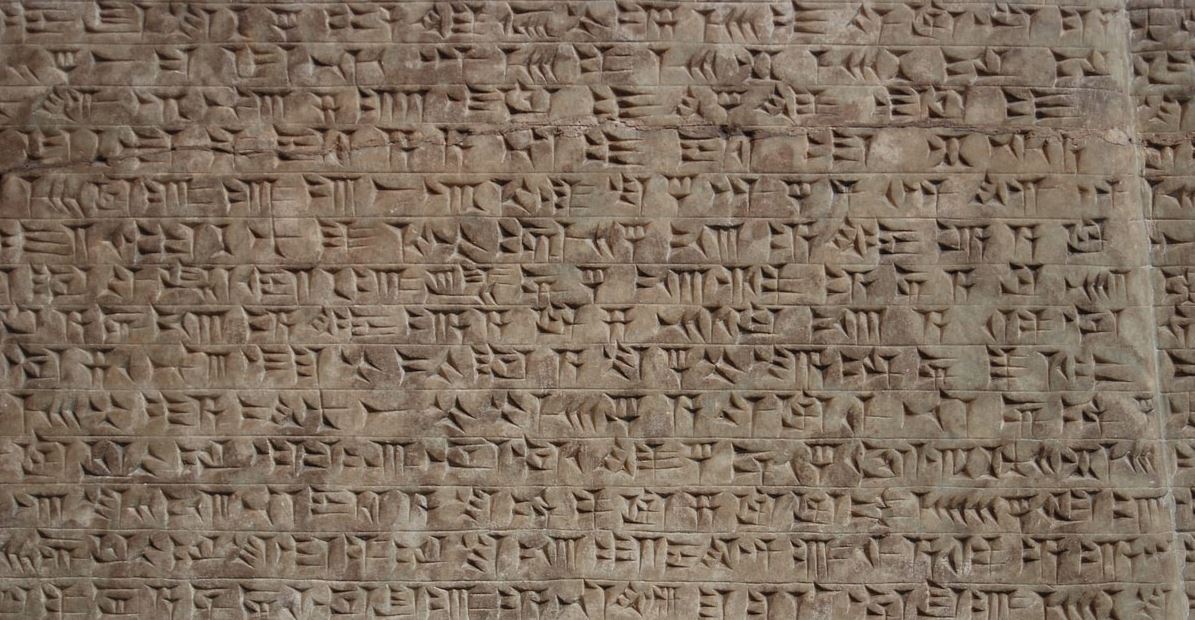
Soft river mud turned into a notebook when a reed cut at an angle pressed wedges into squares that dried in sun and baked in accidental fires, and those wedges learned to speak of rations, tax, song, omen, and law, so a city could address the future through signs that kept their shape when voices failed to carry.
Ink on Fiber and the Speed of Paper Ancestors
Where rivers gave papyrus and fields grew flax for linen, scribes extended thought across long strips joined edge to edge and rolled for storage, and with soot and gum mixed into ink they sketched signs that could flow with the hand, which made contracts and prayers swift to copy and pleasant to read by lamplight in narrow rooms.
Stone as Argument and Promise
Hard surfaces carried proclamations that needed to face wind and time, so artisans cut grooves into granite and limestone with patient tools, then painted the lines to catch sun, and a plaza gained a reader when a passerby traced a finger in the air and mouthed the words that a ruler wished to shine beyond his lifetime.
Pictures That Turned Toward Sound
Early sign makers drew what they saw, a bird, a house, a wave, then borrowed the sound of the word for that picture to spell other words, which taught writing to move from visible thing to spoken syllable, a leap that allowed poets to capture laughter and argument rather than only inventory and tribute.
How Scripts Learn Direction
Some lines march from right to left, others from left to right, and a few dance in alternating rows like a plow turning at the field edge, and each choice follows tools, posture, and habit, since a right hand with a stylus avoids smearing one way and a brush prefers another, and tradition hardens into rule once libraries grow.
When Symbols Shrink and Systems Grow
A catalog of hundreds of signs works for a palace with trained scribes yet burdens a village school, so communities pruned their symbol gardens, pared pictures into syllables, and sometimes pared further into a small set of letters that could be learned in a season, which widened literacy and let a lettered shopkeeper challenge a scribe with confidence.
Numbers Travel Beside Words
Every script walks with a companion set of signs that measure weight, time, and value, and the cleverness of a numeral can outlast the empire that fed it, since a place value system saves scratches and a zero saves confusion, and in ledgers and star charts we see how counting and speaking grew together like vines on the same wall.
Scribes as Keepers of Breath
Schools trained hands to copy steady lines, to correct without scarring, and to listen to grammar as if it were a song with rests as important as notes, and in those rooms apprentices learned that a dot can rescue meaning and that spacing can calm quarrels, so the profession guarded clarity with pride that rivaled any soldier’s oath.
Seals and Signatures of Trust
Authority traveled as a press into wet clay or wax, carrying a name and a pattern that thieves could not easily imitate, and a small cylinder rolled over a lid turned into a contract that could face a long journey or a late payment without losing its certainty, which made distant trade less risky and more honest.
Unheard Voices and Everyday Notes
Grand texts survive because stone resists weather, yet the breath of a city hides in receipts, school tablets, laundry lists, and letters that scold or flirt, and these scraps reveal prices, jokes, and schedules, which enliven history more than any royal boast can manage, since the day to day shows what people truly cared to remember.
Bilingual Keys and the Art of Recovery
Some puzzles open when two scripts share the same message, so a decree cut in multiple languages becomes a bridge for later readers, and once phonetic values align and a few names match, the rest follows with slow delight, as sounds return to signs that seemed mute, and old cities find their speech again on the lips of new students.
Patterns That Betray Grammar
Decipherers count repeats, track positions, and test how signs cluster, then propose whether a system encodes words, syllables, or pure sound, and by comparing parallel phrases they tease out endings for case or tense, so a lattice of hypotheses grows until only one arrangement fits the available lines without strain.
Scripts That Refuse to Speak Yet
Some sign sets remain closed because the corpus is thin, or because the language behind the signs has no living cousins left to offer loanwords, and in such cases caution serves better than bravado, so charts grow, signs are drawn with care, and space is kept ready for the day when a longer text appears from a storeroom or a cliff face after a storm.
Margins Where Humanity Smiles
Copyists left doodles, prayers for steady hands, notes about cold rooms, and friendly insults aimed at mice that chewed bindings, and these side remarks turn monuments into conversations, since they show tired mornings, spilled ink, and the relief of completion, which anchors scholarship in the warmth of ordinary feeling.
Palimpsests and the Ethics of Layers
Writing surfaces were costly, so pages were scraped and written again, yet the ghost of the first text often lingers, and with soft light and patient imaging the erased words rise like dawn behind the later script, raising questions about what to read and what to respect, and reminding us that preservation can conflict with reuse in every age.
Calligraphy and the Beauty of Restraint
When letters gain flourish without losing legibility, a community celebrates skill that marries control to grace, and across regions different hands bloom, angular forms that suit chisels, fluid strokes that suit brushes, steady grooves that suit reeds, and in each case the eye follows a rhythm that teaches balance and care without a single spoken rule.
Women at the Desk and in the Archive
Evidence from signatures, colophons, and court records shows that women taught, copied, and managed accounts in more places than old assumptions allowed, and their work appears in fine school hands, in house ledgers, and in letters that guided trade while relatives traveled, reminding us that literacy has always lived wider than the official roster of names suggests.
Forgery, Fantasy, and the Need for Method
Fame tempts false makers to craft scripts that never breathed in their own time, or to dress modern ink in the dust of old walls, and the defense against this hunger rests in patient tests of pigment, of fiber, of letter shape in sequence, and in the willingness to say not proven when charm tries to outrun evidence.
From Chisel to Code Point
The digital world invites every sign into a shared table so texts can travel without distortion, and committees debate shapes, ranges, and combining marks until a rare letter earns a place beside familiar ones, which allows a fragment from a desert wall to appear correctly on a screen in a distant classroom, and in that alignment a new generation learns respect for detail.
Music, Math, and Notation Beside Script
Writing often walks with partner systems that mark rhythm or ratio, so tablets and papyri show scales, measures, and tempos as carefully as they show law, and a song preserved with dots or strokes can teach a lost choir how to breathe, while a table of lengths can reconstruct a craft long after the last master has gone quiet.
Names That Travel Farther Than Empires
When a script rides with merchants, it copies onto new goods and lodges in new towns, and the borrowed signs adapt to fresh sounds, so alphabets grow extra letters, syllabaries gain new clusters, and punctuation multiplies, which proves that writing prefers hospitality to purity, and thrives when speakers invite guests to the table of signs.
Libraries That Survived by Accident
Fires that were meant to destroy sometimes baked clay into stone, floods that should have washed ink away instead sealed closets with silt, and dunes that strangled streets preserved rolls that would have crumbled in air, so our reading list owes as much to luck as to planning, and gratitude should color every footnote.
Teaching Through Copy and Breath
Students once learned by tracing lines on wax or by repeating phrases until the curve felt natural, and this habit returns in modern rooms where learners write by hand to feel the logic of the script before they memorize the code charts, because shape teaches sound when the hand participates, and memory deepens when muscles help the mind.
Why Scripts Matter Beyond Museums
Every revived text restores rights and stories to living communities, clarifies land claims, returns songs to ceremonies, and reweaves pride where silence had frayed the thread, and for the rest of us these recoveries train patience, sharpen judgment, and soften arrogance, since each deciphered sign proves that ancestors solved complexity with tools as simple as a reed and a steady will.
The Next Line Waits in Quiet Light
Somewhere a small sign rests under dust on a shelf or in a wall shadow, and when eyes meet it with curiosity and respect, a system will shift from ornament to language, and from language to voice, and that voice will not flatter us, it will ask for accuracy, for humility, and for a careful hand that knows how to turn silence into meaning without breaking what time has guarded.