

Furnaces That Taught Stone To Flow
The early smelters learned to coax metal from rock, to shape it with air and patience, and to bind communities through craft
Before Fire Met Ore
People first picked up native copper from riverbeds and found that it bent without shattering, then curiosity sent them to bright streaks in cliffs where green and blue stains hinted at hidden promise, and from simple hammering on stone anvils they learned that heat softened the metal further, which opened a path from striking to shaping and finally to smelting.
Ores As Puzzles
Early miners learned to read color and weight, pale malachite and darker azurite marked copper, honey red cinnabar signaled mercury with danger, and dense yellow stones carried copper sulfides that refused simple fire, so communities created tests using vinegar, charcoal dust, and careful heat to separate rocks that only looked similar in shadowed shafts.
Charcoal And The Gift Of Heat
Wood alone could not always raise the heat that ore demanded, so charcoal became the partner of metal, made by baking timber with little air inside earth covered pits or clay kilns, and this fuel burned hotter and cleaner, leaving less smoke to poison workers and more energy to change ore into a liquid that remembered the flame.
Bellows, Nozzles, And The Breath Of Iron
To drive oxygen through furnaces, smelters built bellows of leather and wood with reeds or clay tuyeres that focused wind, and children often learned the rhythm that kept pressure steady while adults watched color shifts in the heart of the fire, because the glow of ore announces its secrets in shades that only trained eyes can read.
Clay, Stone, And The Birth Of Furnaces
Pit hearths grew upward into shaft furnaces lined with clay tempered by sand and chaff, and smelters layered charcoal and broken ore in charges that rose like dark cakes, then sealed cracks with wet clay so heat would not wander, while small tapping holes allowed slag to weep from the base as the metal collected in a quiet pool.
Slag As A Diary Of Heat
The glassy waste called slag kept a record of every mistake and every triumph, its bubbles told of trapped gases, its color told of iron or copper remains, and its weight told whether flux had done its duty, so masters broke slag cakes with hammers and judged the last firing before trying again with smarter ratios.
Flux And The Art Of Persuasion
Limestone and shell powders joined the charge to draw unwanted silica into slag, and ash from certain plants helped as well, so that the metal could gather clean at the hearth, and this quiet chemistry emerged from long habit, from memory of which stones worked by which riverbanks, and from barter with neighbors who guarded their best sources.
From Bloom To Blade
Iron did not pour easily, it gathered as a spongy bloom full of slag that needed beating while hot on anvil stones, each strike squeezed glass from pores and aligned grains, and when the smith folded the mass again and again, strength rose with each cycle until the stuff of stars accepted a human edge.
Alloy As Conversation
When copper met tin in careful measure, bronze arrived with a sound like a bell and with a memory for sharpness, and when copper met zinc, brass offered a golden smile and a new voice for instruments and fittings, so alloying turned metallurgy into language where ratios were grammar and temperature was tone.
Melting Points As Milestones
Gold softened under a modest fire, copper demanded more attention, and iron insisted on stubborn heat that few early furnaces could sustain, so each metal taught makers about patience and atmosphere, and about the moment when color, sound, and spark together said now, lift, pour, and trust your mold.
Crucibles And Their Secrets
Clay vessels for melting needed temper that would resist shock, ground grog from broken pots and crushed quartz did the work, and the shape of the crucible balanced strength with pour control, while soot on the outside protected against sudden heat, and lids trapped the spirit of the fire where it could do its best work.
Molds That Hold Imagination
Open molds in stone or sand gave rough forms, but two piece molds in carved clay or stone delivered symmetry, and the lost wax method let masters create images that no chisel could release, beeswax became a model, clay embraced it, heat stole the wax, and the empty space welcomed bronze that remembered every hair and fold.
Hammers, Tongs, And The Grammar Of Tools
To move metal while hot, smiths needed tongs of varied jaws, straight peens for drawing, cross peens for spreading, and flatters to smooth, then stakes and swages to shape curves and sockets, and through these simple tools the hand extended its will into the heart of the heat without fear of losing grip or timing.
Quenching, Tempering, And The Balance Of Hard And Kind
After forging, iron or steel met water, oil, or still air, and the choice wrote hardness or toughness into the piece, then tempering softened the brittleness with a second gentler heat, and colors on the surface guided judgment, straw for knives, purple for springs, blue for tools that must bend and return without complaint.
Color, Smoke, And The Language Of Heat
Metallurgists read flames like texts, yellow tongues warned of excess air, deep orange promised the right bath for copper, and the quiet of the furnace told whether bellows kept rhythm, while the scent of the smoke spoke softly about the kind of fuel and the health of the lining, so smell and sight walked hand in hand with touch.
Mining As Architecture Underground
Tunnels followed veins with timber supports, lamps smoked against damp ceilings, and miners listened for the knock that hinted at emptiness beyond a thin wall of stone, then carried ore to daylight in baskets or leather bags, where washers broke and sorted it beside streams that carried away dust and revealed glittering promise.
Mercury And The Mirror Risk
During silver extraction, miners ground ore and used mercury to form an amalgam that surrendered silver when heated, a cleverness that cost health when fumes rose, and communities learned to keep such work outdoors and to watch the wind, though many paid with trembling hands and shortened lives for the shine of coins.
Gold, Status, And The Weight Of Trust
Gold resisted tarnish and chose to glow under any sky, so it became a token for promises, a gift at altars, and a measure of tribute, and gold workers hammered sheets so thin that breath could flex them, then laid foil over wood or stone to bring radiance to bodies and buildings without wasting the heavy heart of the metal.
Casting As Theater
When a village gathered for a pour, silence fell as crucibles lifted, a line of helpers guided the stream into channels that ran like rivers through sand or clay, and the first solid glint drew cheers, not only for beauty but for survival, because plow tips, axe heads, and fishhooks meant food, shelter, and bargaining power for market days.
Decoration That Strengthens
Repoussé raised designs from the back with soft taps on pitch or tar, chasing refined lines from the front, and both methods hardened thin sheets through work in small circles, so beauty and durability arrived together, which pleased patrons who wanted jewelry that felt like silk but wore like armor across a lifetime.
Coins, Weights, And Fairness
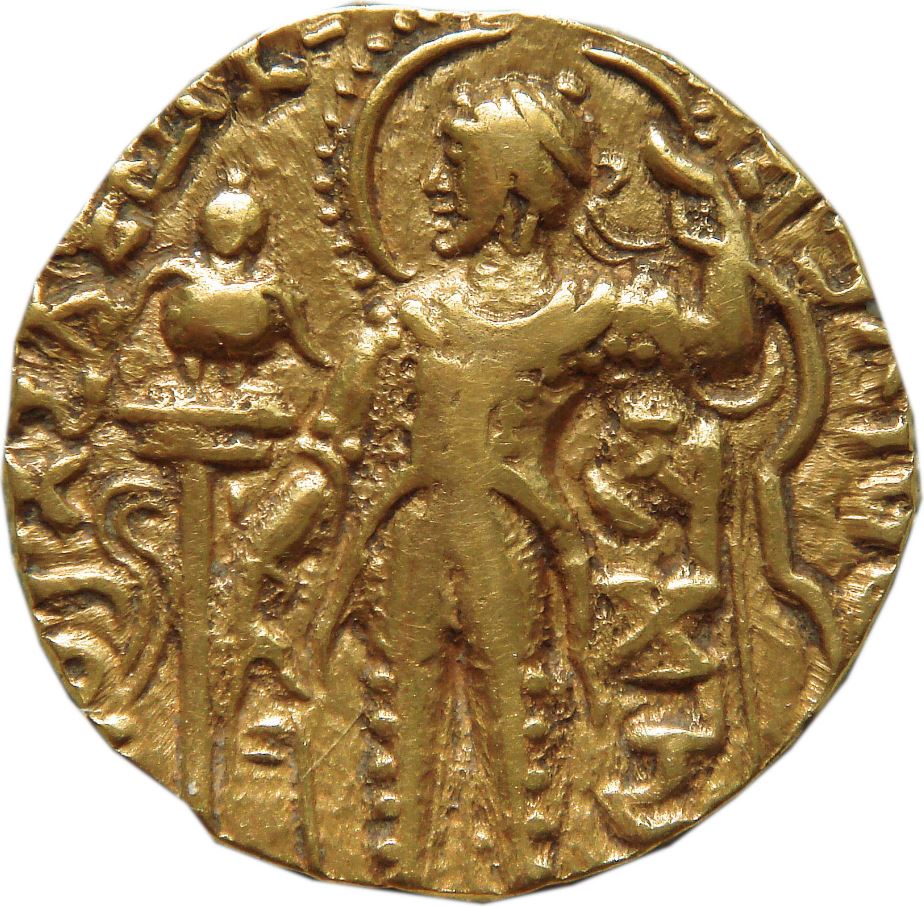
Mints learned to keep weight and purity within narrow bands, and merchants carried balances with standard stones that guards could verify at gates, so that trade relied less on personal trust and more on shared measure, and metallurgists provided the consistency that turned regional barter into wider markets.
Metals In Temples And Tombs
Bronze doors, silver votive plates, and gold leaf on statues reflected light in chambers where candles struggled, and ritual instruments took shape with careful tuning, bells cast in sets sang scales that honored math and devotion together, while fittings on sarcophagi promised that memory would have a firm hinge when centuries tried to forget.
War And The Smith
Spears, shields, and helmets demanded balance between weight and protection, and smiths learned to weld layers, to harden edges while keeping cores forgiving, and to rivet plates in patterns that kept joints free, so that soldiers could move as dancers even while wearing the memory of mountains upon their shoulders.
Plows, Saws, And The Bread Of Metal
Fields grew wider when iron plowshares cut sod that wood could only bruise, saws with accurate teeth turned trunks into beams with less waste, and nails multiplied the speed of building, so the quiet side of metallurgy, the side that kissed soil and timber rather than armor and coin, transformed the calories and shelters of entire regions.
Sound Forged In Fire
Gongs, cymbals, and trumpets carried signals across valleys and across crowded streets, and the alloy choice set the voice, more tin gave a bright ring, more copper gave warmth, and careful cooling preserved notes, while scraping and polishing adjusted pitch, which made the smith and the musician partners in a single craft.
Trade Routes As Metal Rivers
Ingot shapes reveal journeys, copper cakes stamped with marks traveled by boat and camel, tin from far mines crossed deserts to meet copper in ports that smelled of tar and figs, and iron blooms packed in straw followed roads where toll keepers learned to recognize the honest weight of a season of work.
Workshops As Schools
Apprentices watched first, then carried fuel, then worked bellows, then cleaned tools, and only after many moons did they touch iron with tongs, and masters spoke in proverbs like do not rush the color, listen for the breath in the tunnel, and oil the hinge of your hammer arm, lessons that joined body to wisdom without need of ink.
Women At The Hearth Of Metal
In many communities, women prepared charcoal, ground ore for washing, sorted fines, and managed molds for household fittings, and some led workshops that specialized in jewelry or bells, their steadiness with temperature and timing earned respect, though chronicles often forgot to write their names, the tools remembered their touch in smooth seams and clean lines.
Accidents That Became Discoveries
A crucible that cracked at the wrong moment sometimes leaked a thin stream that cooled into wire along a stone lip, and curiosity then taught drawing through holes to make longer threads, or a bloom that met carbon from a rich fire turned steel like glass that could hold an edge, and the surprise became method once someone dared to repeat it.
Coloring And Guarding Surfaces
Patinas grew by design using acids from vinegar and smoke from fires flavored with herbs, giving bronze a green that spoke of age and care, while bluing kept steel from rust when oil and heat met politely, and gilding with fire or with leaf let modest metals host a noble face that weather could not easily insult.
Recycling As Common Sense
Broken blades and dented pots never slept long, furnaces welcomed them as offerings toward the next pour, and scrap from trimming returned in the final charge, because metal carries memory but also forgets quickly in the right heat, which allowed cities to reshape wealth when fashion or need changed more quickly than mines could respond.
Archaeology Of Heat
Today, researchers read slag chemistry to calculate furnace temperature, they study hammer scale at excavation floors to map work zones, and they lift crucible fragments whose glaze captured the moment of transition from solid to liquid, then they organize these clues into stories about which valleys learned which tricks first and how neighbors borrowed wisely.
Ethics Of Glitter
Extraction always taxes water, timber, and lungs, so ancient communities set limits on cutting wood near sacred springs and on digging too near fields that fed children, and festivals of thanks for safe returns from mines reminded everyone that metal is not a right, it is a responsibility whose shine should never blind judgment.
Metallurgy And Writing
Weights and purity records demanded careful marks, so tablets and seals multiplied wherever mints operated, and the precision of the shop bled into the script of the town, encouraging a habit of counting that improved taxes and wages, which in turn kept furnaces fed, a circle where numbers and heat taught each other clarity.
Why Some Centers Rose And Others Faded
Regions with ore, fuel, and water gained workshops first, but only those that paired skill with fair markets kept their edge, places that hoarded secrets stagnated when roads shifted, while places that taught neighbors grew stable trade, since prestige likes to travel with generosity more than with greed.
Mistakes That Still Teach
Uneven quenching left blades with hidden stresses that snapped at the first hard strike, sulfur rich ore made iron hot short that crumbled under the hammer, and flux chosen for shine rather than function trapped copper in slag, so broken tools in graves and dumps remain classrooms where modern eyes can still learn humility.
Echoes In Modern Shops
Contemporary smiths test ancient recipes, they build small bloomery furnaces in fields, they pump bellows with feet or with waterwheels, and they share results about carbon and slag beads, then they taste the old joy when a first spark of metal appears at the tap and the crowd breathes as one while the bloom meets the anvil.
Lessons For Any Craft
Ancient metallurgy teaches patience with heat, respect for material, rhythm for breath and arm, and a partnership between measurement and intuition, it shows that knowledge grows where hands and minds meet, and that communities thrive when the shine of a finished tool includes the faces of everyone who helped raise the flame.
The Ember That Still Waits
Somewhere a small furnace of clay sits by a riverbank, ready for charcoal, ore, and a steady rhythm, and when the bellows begin and the glow gathers, the old conversation between earth and breath resumes, reminding us that every blade, bell, and bowl began as stubborn stone that agreed to change because people learned to ask with skill and with care.