

Footprints Before the First Maps
Listening to deep time through the tools, songs, and shelters of early peoples
Paths Through a Living Earth
Before towns and roads, people learned to read valleys, ridgelines, and water in motion, then stitched these readings into routes that shifted with seasons. Trails followed herds during thaw, hugged river terraces during flood, and crossed salt flats under starlight when heat slept. Movement taught geography without charts, and memory served as the only atlas that mattered. Wayfinding trusted smell, sound, and the angle of light on stone, while stories preserved the logic of travel so children could inherit the ground as a companion rather than an obstacle.
Those paths became social threads, since travel carried songs, pigments, seeds, and news about distant fires seen on cold mornings. Camps that began as brief pauses matured into recurring rendezvous. People timed meetings to salmon runs or berry ripening, and these calendars built friendships between bands that rarely shared a language but always shared the need for predictable welcome. Migration was not aimless, it was a choreography set to the pulse of climate and the pace of feet that knew when to push and when to rest.
Stone That Learned to Speak
Rock fractured with a voice, and skilled hands listened for that crisp report that signaled a clean flake. Cores, blades, points, and scrapers turned raw material into a vocabulary of edges that solved daily problems with elegant economy. The craft began with observation, then continued with countless strikes that taught the wrist what the eye alone could not judge. Each scatter of chips around a knapper sits like a diary entry, a ring of pale leaves that records practice, success, and the patient correction of error.
Tools remember their users through microscopic wear and tiny polish along the working edge. A single piece might cut sinew in winter, shave reed in spring, and score hide for glue when leaves fell. Repairs extended life, and hafting joined stone to wood or bone through lashings and adhesive that resisted water and cold. The flexible kit favored by travelers balanced redundancy with specialization, because nothing wastes energy like carrying gear that cannot adapt to surprise.
Fire as Teacher and Companion
Flame warmed bodies and brightened gatherings, yet its greatest gift was instruction. With fire, plants softened into digestible meals, pigments fixed onto walls, and stone transformed into tougher tools when heated and cooled with care. Nights lengthened into workshops and councils, where elders shaped the day’s raw experience into guidance. Smoke marked territory, but it also signaled safety to wary visitors who saw that others had already tamed darkness for a while.
Hearths stabilized the center of camp, arranging space for sleep, repair, and storytelling. Ash lenses survive in soil as faint pale rings that archaeologists read like quiet moons. Within those circles, generations sang, played, and argued, then learned to avoid sparks near baskets and to dry meat high above embers. Every improvement in fire control multiplied options, so communities grew more resilient, not through might, but through method.
Homes That Breathed With Weather
Seasons demanded agility, so shelters borrowed strength from the nearest gifts. Driftwood framed windbreaks along coasts, while mammoth ribs arched over tundra floors that smelled of snow and fat lamps. In forests, saplings bent into domes that wore bark and leaf, and in grasslands, posts and woven mats rose quickly, then folded when the herd turned. The best designs welcomed air when cooking, blocked drafts during sleep, and gathered light where tasks required steady hands.
Settlement did not always mean permanence. Some places invited return rather than residence. Scatters of post holes, hearths, and refuse show that people treated certain locations as seasonal homes, dependable as constellations. Architecture functioned like clothing for place, tailored to wind, to water, and to the number of voices expected around the evening bowl.
Food as Strategy and Story
Foraging demanded encyclopedic knowledge carried in songs rather than in lists. People learned the moods of roots, the dangers of look alike berries, and the whisper of shellfish beds during low tide. Hunters mapped migration bottlenecks, tracked hoof prints across crusted snow, and understood how light revealed fish in shallow pools at dusk. Meals emerged from a thousand small choices that balanced risk, energy, and time.
Preparation turned harvest into culture. Grinding stones sang a daily rhythm, cracking querns that outlived hands by entire lifetimes. Drying racks converted abundance into winter insurance, while pits kept nuts safe from animals that lacked patience. Sharing protocols spread food across kin groups and visitors, since a full neighbor helps carry a stretcher when trouble arrives. Taste tied to memory in this way becomes more than pleasure, it becomes a map of who one can rely on when fortune thins.
Colors That Traveled Beyond Speech
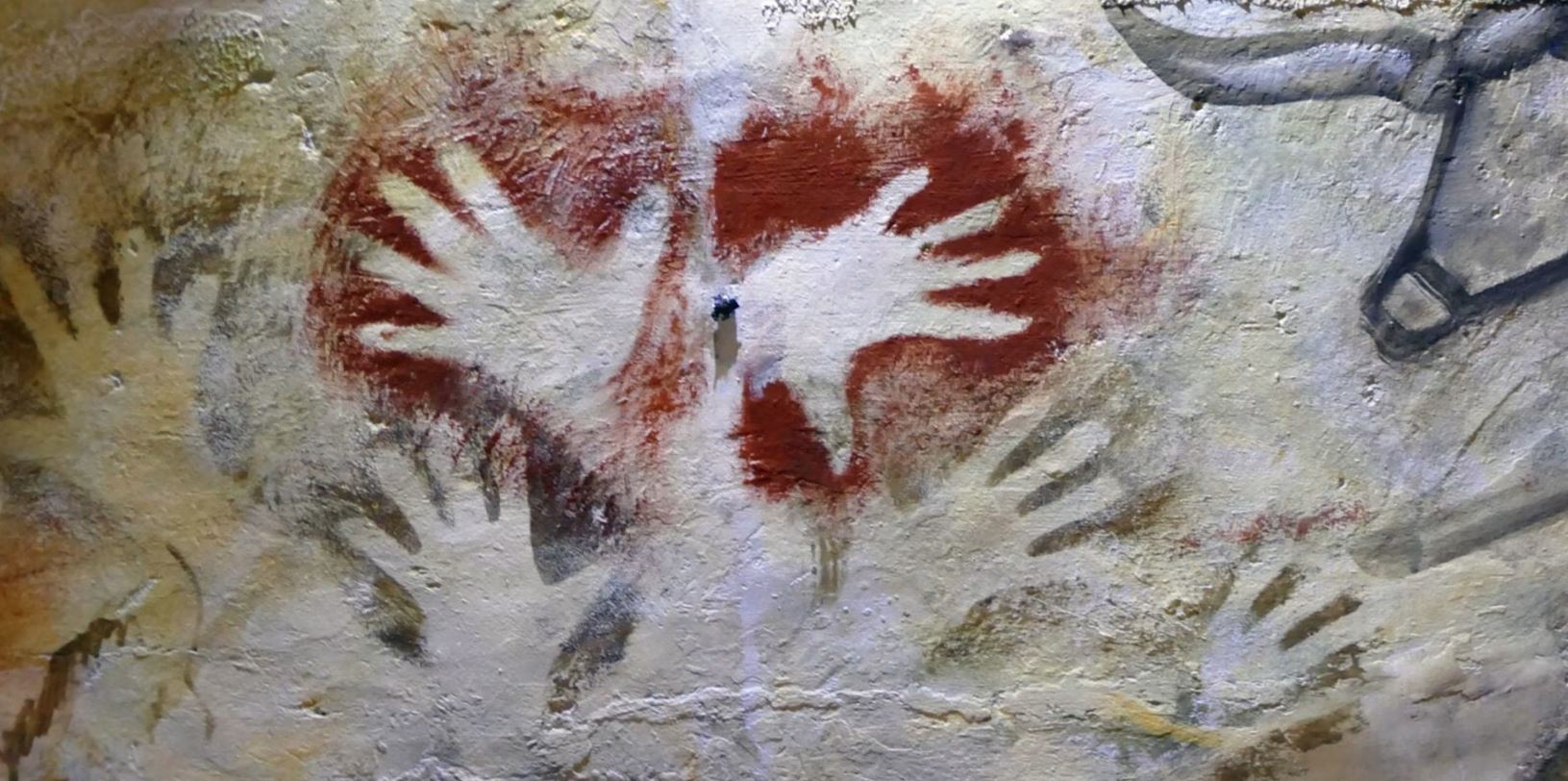
Mineral reds, charcoal black, and rare bright yellows stained palms and baskets, cloaked dancers, and climbed walls deep inside limestone chambers. Pigments mixed with fat or plant juices kept their glow under flicker and shadow. Designs recorded animals in motion, not as stiff icons but as breath and muscle, a testimony that keen eyes and fast hands lived in the same body. Hand stencils multiplied like signatures, yet every outline felt personal, since no two hands share the same span or scar.
Body painting turned skin into a moving canvas that signaled affiliation, status, or mood. Color marked initiations, hunts, mourning, and reconciliation. A traveler recognized friends at a distance, not by words, but by pattern. The palette also taught chemistry to people who never named it that way, since binders, surfaces, and storage changed how shades endured on cave walls or on the shoulder of a runner at dawn.
Music That Walked With the Wind
Rhythm belonged to the ground first, then to the drum. Feet found tempo in packed sand, then hands joined with claps that echoed under overhangs. Hollow bones and reeds became flutes that carried simple motifs across valleys, while stringed instruments crafted from sinew and wood drew lines of melody that stitched long evenings together. Music signaled safety, invited allies to approach, and warned rivals that a camp was alert and awake.
Song served memory with grace. Verses learned in childhood stored maps, recipes, and rules of fairness. Harmony did not require a written scale, only willingness to listen to a neighbor and to hold a note without fear. These choirs of friends and cousins shaped belonging with a gentler tool than law, and their tunes still sleep in places where wind behaves like a careful archivist.
Names for the Sky and the Sea
People tracked stars without brass instruments or glass lenses, since the eye, once trained, can split the night into reliable guides. A bright point rising before dawn marked a season, a tilt of the moon predicted a low tide, and a ring around the sun during cold days promised a change that wise travelers respected. Clouds became teachers, and birds became messengers, and the horizon each morning offered both comfort and fresh questions.
Coastal groups learned swells by touch through the hull of simple boats, while inland groups learned fog by scent and by how it muffled sound. Naming these moods of water and light gave families a shared vocabulary for caution and courage. Navigation did not live on parchment. It lived in bodies that could read signs and respond with judgment earned through years of careful attention.
Care That Began Before Clinics
Illness and injury met hands that had learned to bind, to warm, and to encourage. Splints fashioned from smooth sticks and bark saved limbs that would otherwise fail. Poultices drew out infection, aromatic leaves eased breathing, and steady voices calmed panic long enough for pain to loosen its grip. Elder knowledge blended with experimentation, and success traveled quickly across campfires by way of gratitude stories.
Burials reveal tenderness in the arrangement of beads, tools, and food beside the quiet body. Graves cut into soft ground show careful orientation and attention to the last view of sky. This care for the dying and the dead strengthened the living, because sorrow, when shared, builds structure within a group that can survive the next hard season with fewer cracks.
Children as Keepers of Tomorrow
Young hands practiced with blunt points on scrap hide, learned edible plants with gentle chaperones, and followed mock tracks laid by elders who turned lessons into games. Play folded training into laughter, so attention grew without force. Small tasks advanced into real contributions, and pride took root in the gap between effort and praise. A child who could keep a tiny flame alive in wind became a partner worth listening to during storms.
Stories that anchored identity arrived every evening, and children asked impossible questions that refreshed wisdom grown stiff from repetition. Their curiosity kept innovation alive, because they noticed oddities that busy adults ignored. The next toolkit, the next route, the next harvest plan, all gained edges that fit better because someone short and quick minded refused to accept a lazy answer.
Exchange Without Coins
Trade moved along memory rather than metal. A bundle of resin sweetened a friendship, a length of fiber cord promised future help, and a rare shell announced that travel had gone well. Value lived inside relationships, and tally stones or knotted cords served as prompts that reminded both sides of earlier gifts. Disputes resolved around councils that valued repair over victory, since partners often needed one another more than they needed to win.
Objects gathered prestige as they passed through respected hands. A blade that had fed three families in lean times became a symbol of hope, and hope traveled farther than any pack animal. This circulation of meaning kept alliances supple, and distant groups felt near when a familiar artifact rested for a while on a new hearth.
Art That Walked and Art That Stayed
Portable carvings rode in pouches and pockets, tokens of luck shaped from antler, bone, or soft stone. Their surfaces carry the pressure of long companionship, smoothed by travel and by the comfort of touch during tense hours. Larger pieces settled in marked places, a cliff face or a lonely boulder, where visitors added lines and marks that created a slow conversation across many generations.
Neither category required an audience in the modern sense. Makers crafted for the joy of making, for teaching apprentices the feel of a tool, or for quiet dialogue with forces that watch without speaking. Art bent time in both directions, connecting the most recent footprint to ancestors whose names survive only as traces of skill.
Reading the Record in Mud and Ice
Today, the traces of those lives hide in modest signals. Pollen grains bedded in lake sediment map ancient plant communities. Cut marks on bone demonstrate butchery choices and reveal the sophistication of a meal shared by tired shoulders after a long haul. Charcoal flecks align with hearths, and soil chemistry betrays places where hides soaked or where fish dried on racks that no longer stand.
Ice captures footprints of atmosphere, tiny bubbles that carry whispers of winters that tried to break even the most patient travelers. By pairing these climate archives with camp layers, scholars rebuild story arcs of departure, return, and reinvention. The picture that emerges does not worship struggle, it honors good judgment and kindness practiced at scale by small groups that refused to surrender when frost or flood tested resolve.
Language Before Letters
Gesture, posture, and shared work created meaning with speed and nuance. A lifted chin urged caution, a slow palm downward settled nerves, and a soft hum under breath signaled approval without breaking the hush that animals prefer. Over time, clusters of sound stabilized into names for rivers, for traps, for winds that sting at night. These words changed as groups met, borrowed, and invented, and every exchange carried more than vocabulary, it carried ways of thinking.
When symbols finally rose on bone, wood, or stone, they did not appear from nowhere. They condensed from a long practice of describing the world with the body first. Because of that deep foundation, communication in new forms felt natural rather than strange. Expression had always been the glue, only the medium changed.
Rituals That Held Courage Together
Gatherings marked turning points, like the first thaw, the return of fish, or the safe arrival after a risky crossing. Dancers rehearsed steps that drew circles around fear, singers stacked voices that lifted the group beyond solitary worry, and leaders spoke sparingly so that ordinary hands felt seen. Offerings flowed back to the places that fed them, a piece of meat to the water, a handful of flour to the wind, a bead to the quiet hollow where echoes rest.
These ceremonies did not depend on monuments. They depended on agreement. People chose to meet, to listen, and to forgive. That choice kept the social fabric ready for strain, which is the only kind of strength that endures in landscapes that refuse to stand still.
Lessons For New Journeys
Prehistory teaches that flexibility multiplies safety, that attention pays better than bravado, and that generosity protects a camp more reliably than walls. The smartest toolkit favors items that can serve many roles, and the best plan includes a second route known by heart. Place names should reveal function, like the cove where fish rest at dusk or the ridge where storms split. When knowledge hides in a single expert, a group walks near a cliff. When knowledge saturates daily life, the same group walks with confidence through fog.
Modern travel differs in speed, not in principle. People still need to share food during stress, to replace blame with repair, and to sing even when tired. The old ways do not scold the present. They offer a companionship that humbles pride and strengthens resolve, a reminder that success begins in small wise habits repeated until they feel like weather.
Tomorrow Wears Ancient Shoes
Step into dawn with the patience of elders who watched frost lift from grass before moving camp, and feel how each breath connects to cooks, carvers, singers, and scouts who shaped a thousand quiet victories. Carry tools that forgive mistakes, carry stories that mend quarrels, and carry gratitude for places that shelter without complaint. If we walk with this company, our paths will welcome surprise, our shelters will learn to breathe, and our fires will teach again, the same soft lessons that once turned wilderness into home.