

Spears in the Morning Mist
Ancient communities planned, fought, and remembered conflict across land and sea
Origins of Organized Force
Violence existed before cities, yet warfare began when groups learned to coordinate duty, storage, and seasonal schedules. Pasture disputes hardened into raids, then raids matured into campaigns once chiefs could promise payment in grain, cloth, or status. Granaries allowed planning beyond a single meal. Councils agreed on signals, safe routes, and rules for dividing spoil. From that web of agreements came armies, not as mobs, but as moving communities bound by oath and expectation.
Why People Marched
Motives braided together. Water rights, tolls on roads, control of mines, and defense of sacred places all pulled leaders toward war. Fear of a rival mattered, pride mattered, and sometimes famine mattered most. When trade faltered, rulers gambled on conquest to fill storehouses before winter. Alliances offered security, yet alliances also dragged partners into quarrels that began far away. The cause on the tablet rarely matched the cause in the heart, a truth that echoes through many chronicles.
Recruitment and the Fabric of Duty
Armies filled ranks through kin obligation, civic service, and professional contracts. Farmers mustered after harvest with spears and wicker shields. City militias rotated watch by neighborhood lists. Monarchs hired veterans who drilled all year and taught discipline to new hands. Some states fielded levies in great numbers, others relied on small cores of specialists supported by allies. The mixture changed with geography and treasury, yet everywhere commanders learned that reliability grows from clear pay, shared meals, and honest praise.
Training as a Craft
Practice turned courage into effectiveness. Units learned to wheel on command, to keep formation on broken ground, and to hold breath until a horn released them. Instructors used sand to weight spears for strength, straw dummies to teach precision, and call and response chants to lock movement into memory. Shield drills taught each person to protect a neighbor first and self second, since cohesion ranked above individual flair. Out of this discipline rose the strange calm seen at the start of many battles.
Metal, Wood, and the Edge of Innovation
Material science shaped tactics long before the term existed. Copper gave way to bronze, then iron, and with each shift, armor and arms altered the balance between foot and horse. Ash made tough spear shafts, yew stored power for bows, and horn with sinew formed composite bows that sang in dry air. Leather boiled in oil stiffened into plates, while linen pressed in glue layered into cuirasses that surprised opponents who expected softness. Technology favored those who paired craft with logistics, not simply those who discovered a new alloy.
Shields and the Art of the Wall
From river plains to mountain passes, the shield was the most democratic protection. Round boards blocked glancing strikes, tall rectangles covered knee to chin, and light bucklers darted with swords. Lines overlapped rims to build a moving barrier that granted confidence to the timid and patience to the brave. The wall advanced with small shuffles and short thrusts, for long swings risked gaps. Many victories grew from the simple habit of not breaking rank.
Chariots, Horses, and the Race for Mobility
Before riders mastered firm saddles, chariots delivered speed and shock. Teams of two or four pulled light carts where archers loosed arrows in rapid sequence. On flat country, such machines ruled. As riding improved, cavalry eclipsed the chariot with greater agility. Steppe traditions taught states to fight in open order, to feint, and to withdraw on cue. Horsemen chased down fugitives, scouted food and water, and turned retreats into routs. Controlling grass and fodder became as strategic as taking a fortress.
Elephants and the Theater of Fear
War elephants functioned as living towers and as instruments of panic. Their height unsettled foot soldiers, their tusks bore blades, and their trunks hurled enemies from saddle or ground. Yet they demanded careful handling, calm drivers, and soft soil. Fire, noise, and spikes could drive them back into friendly lines with dreadful effect. Commanders who used them well tied victories to psychology as much as to mass.
Archers and the Geometry of Distance
Missile troops reshaped battle space. Composite bows hurled shafts far across dust, while heavy bows punched through lacquer and bronze at closer range. Slingers snapped stones with speed that startled even shielded veterans. Skirmishers opened fights by testing nerve and armor, then stepped aside when infantry closed. On some fields, volleys decided the outcome before blades met. Rain, wind, and slope mattered as much as valor, so commanders learned to read weather like scripture.
Tactics of Foot Formations
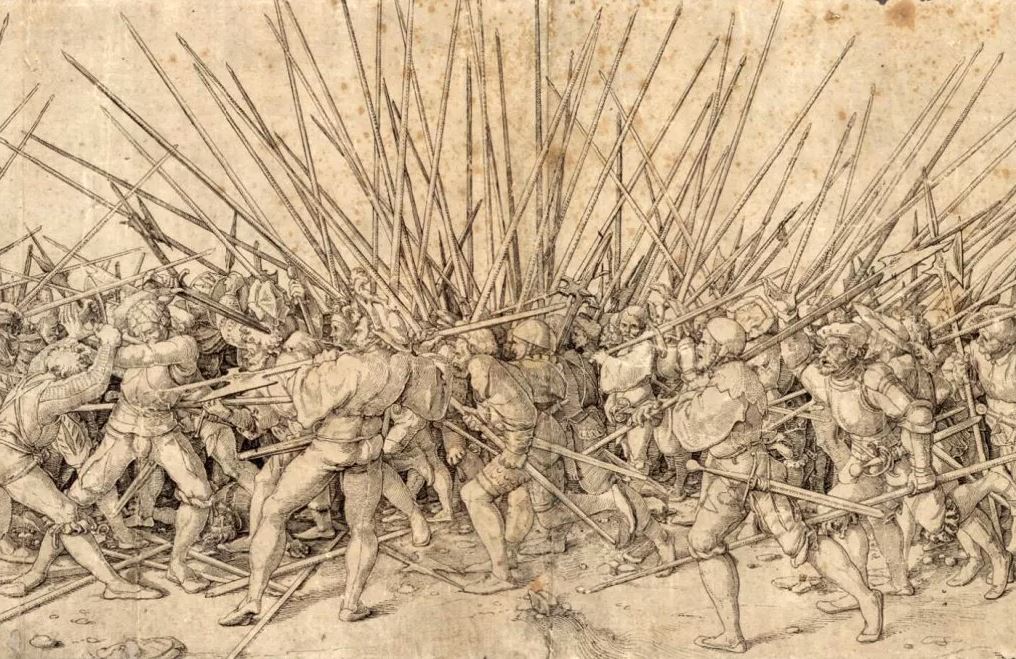
Dense ranks offered power, loose lines offered flexibility. The phalanx stacked men shoulder to shoulder, spears angled forward like a living hedge. Success demanded level ground and unified push. Other states preferred mixed arrays, light troops ahead, heavy troops behind, and reserves at the flanks that could fold around a tired enemy. Drills emphasized simple choices repeated without hesitation. The best generals kept options open until the dust revealed a weakness worth striking.
Siegecraft and the Patience of Stones
Walls forced invention. Engineers raised rams under leather screens wet against fire. Sappers dug tunnels to collapse towers, while defenders counter mined to break the void. Ladders crowded along curtains of stone where boiling water and darts rained down. Later, torsion engines twisted sinew cords to hurl bolts and stones in arcs that punished crowded gates. Sieges measured time not only in days but in morale, grain, and disease. Many cities fell to hunger, bribery, or treachery rather than to breach.
Fortifications as Landscape Architecture
Builders learned to make cover fight back. Ditches slowed wheels, berms soaked up arrows, and angled walls fractured battering force. Gatehouses bent entries to expose flanks, while towers allowed crossfire. On hilltops, terraces forced attackers to earn every step. On plains, long lines of packed earth and timber created false horizons that hid reserves. A good fortress saved lives not by heroics but by arithmetic, since any attacker must pay more in time, bodies, and coin than the prize could repay.
Ships, Oars, and the War for Sea Roads
Naval power relied on rhythm and teamwork. Rowers pulled to the drum, steering oars carved precise turns, and rams bit into enemy hulls at angles set by the pilot’s eye. Marines leapt to board with grapnels and short blades. Control of islands and straits decided grain prices and the fate of cities far inland. Fleets that trained together could win even when outnumbered, because a tight turn at the right moment could expose an opponent’s side to iron and momentum.
Food, Water, and the Invisible Battle
Logistics decided more campaigns than spears ever did. An army ate through villages in a day, so supply trains stretched for miles with carts of grain, herds on the hoof, and crews of bakers who turned flour into portable rations. Water had to be clean or boiled, wood had to be cut, and animal feet had to be shod and checked. Commanders planned routes by wells as carefully as by enemy forts. When lines of supply broke, discipline turned brittle and promises dissolved.
Signals, Maps, and the Art of Direction
Communication stitched formations into a single creature. Standards and banners marked positions, horns framed orders, and messengers raced through dust with simple phrases memorized to avoid confusion. Beacon chains flashed fire across ridges to warn of invasion. Road milestones counted distance for couriers who carried urgent commands sealed with wax and threat. Knowledge of passes, fords, and wind patterns turned maps into weapons, even when those maps lived only in the heads of guides and scouts.
Spies, Treaties, and the War of Information
Intelligence worked through bribes, captured letters, and questions put to traders who always notice price shifts and troop purchases. Diplomatic gifts bought time while armies moved. Treaties created pauses for harvest or marriage ties that promised future calm, yet scribes often penned escape clauses under flowery language. A leader who combined listening with speed gained advantage without shedding blood, an outcome that treasuries favored and poets ignored.
Law, Mercy, and the Limits of Violence
Even brutal ages framed rules. Some codes protected orchards and canals, since tomorrow’s bread matters more than today’s rage. Some forbade the killing of messengers or the use of sacred sites as shields. Ransom and prisoner exchange reduced waste and invited profit. Mercy, when shown early, encouraged surrender in later sieges, while cruelty bred rebellions that bled years of revenue. In this calculus, kindness could serve strategy as effectively as fear.
Women and the Many Fronts of War
Women provisioned camps, protected farms, bargained for ransoms, and at times led troops when dynasties lacked male heirs or when siege demanded every hand on the wall. Some trained with bows, some managed wagon parks and field hospitals, and many preserved community memory that taught sons what mistakes to avoid. Their roles seldom fill chronicles, yet their labor made campaigns possible and their voices shaped peace terms at kitchen tables long after banners were folded.
Religion, Omen, and the Labor of Courage
Armies marched under blessings and taboos. Sacrifices preceded risky crossings, and diviners read bird flight or liver markings for hints about timing. Priests carried icons along ranks to stabilize hearts. Songs rehearsed victories before the first clash. When luck turned, leaders performed acts of atonement to heal morale. Belief was not decoration. It was a technology for cooperation, a shared script that turned fear into steadiness at the moment of contact.
Sickness, Wounds, and the Care Behind the Line
More soldiers died from thirst, fever, and infection than from blades. Camps that mixed latrines with kitchens paid a heavy price. Surgeons learned to cut away torn flesh, to set bones with splints, and to cauterize where blood refused to stop. Herbalists brewed pain relief, while clean bandages became as valuable as bronze. Armies that enforced sanitation left more veterans to teach the next generation, a quiet advantage that few poems celebrated.
After the Battle
Victory created work. Bodies had to be buried or burned, wounded enemies had to be collected before rot spread, and loot had to be counted with witnesses. Commanders walked the ground to honor bravery and to note mistakes carved into earth by blood and boot. Defeat created work as well, since retreat routes demanded guards, and messages to allies had to admit loss without inviting abandonment. In both cases, the field itself became a teacher that spared no pride.
Economy of War
Conflict shaped markets. Iron mines gained protection, horse breeders rose in status, and distant ports thrived on arms shipments and grain contracts. Tax systems matured to fund standing forces, which in turn enforced taxation. Cities minted special coinage to pay troops promptly, since slow pay breeds mutiny. Even peace treaties carried price lists for timber, pitch, and linen sailcloth, proof that commerce and combat learned each other’s names early and never forgot them.
Archaeology of Battlefields
Modern spades recover arrowheads clustered where lines met, sling stones piled near ridges, and mass graves that reveal hurried endings. Soil chemistry maps areas of intense trampling, while broken buckles and snapped sword tips trace panic routes. These finds correct boastful inscriptions and rescue the deeds of ordinary fighters from silence. The earth keeps accounts that kings preferred to round upward, and from those accounts we learn how skill, fatigue, and terrain really decided outcomes.
Environmental Costs and Forgotten Footprints
Armies stripped forests for palisades and fuel, fouled rivers with waste, and trampled fields that never fully recovered. Overgrazed pasture near roads turned to dust that choked settlements. Quarrying for walls scarred hills that once held terraced vines. These marks remain in pollen records and in gullies that began as wheel ruts. Ancient war altered landscapes with a permanence that few commanders considered in their ledgers.
Memory, Epic, and the Politics of Story
When the smoke cleared, poets and scribes shaped what posterity would believe. Victories grew brighter, defeats turned into moral tales or into silences. Monuments listed names that paid for stability at home. Festivals reenacted charges, but skipped the stink and fear. Over centuries, these stories schooled citizens in virtue and obedience, sometimes in inquiry. A people’s character, for good or ill, often grew from the way it chose to tell its wars.
Lessons That Walk Beside Us
The study of ancient warfare reveals more than tactics. It shows how cooperation beats fury, how food and water command armies as surely as kings do, and how mercy can save coin and conscience at once. It teaches that courage without order wastes lives, that technology works only when paired with supply, and that landscapes remember choices longer than monuments do. To read these campaigns is to inherit a manual for restraint, written in dust and in the steady beat of marching feet.