

Lanterns Carried Through the First Stories
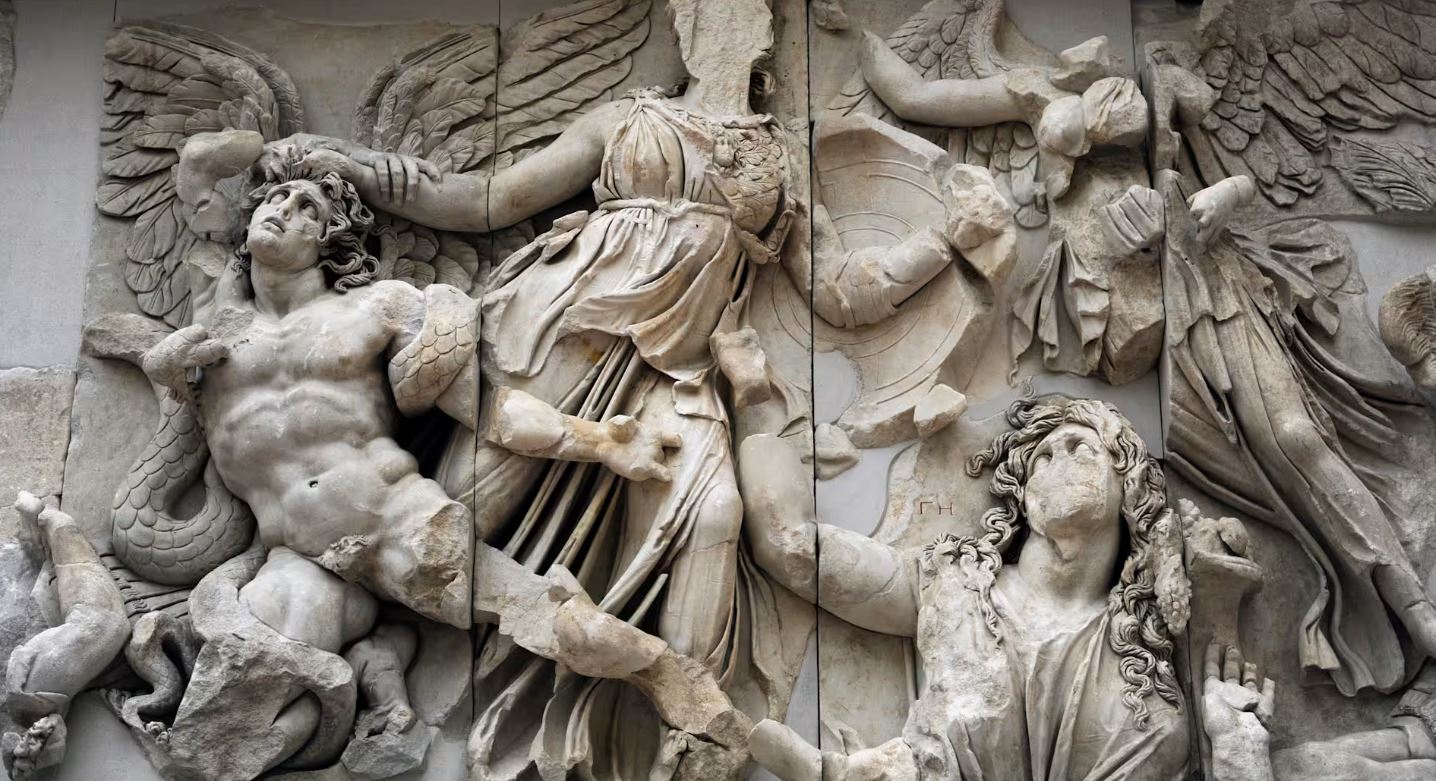
Why the earliest tales shaped rivers, rulers, and ordinary lives with voices that still travel
Where a World Begins
Creation stories do not only explain beginnings, they also establish manners for living, and across valleys and coasts people said that a world rose from flood, from egg, from tree, or from a quiet conversation between darkness and a spark, and each version taught listeners how to treat water, how to handle food, and how to imagine kinship with mountains and birds.
Sky Ladders and Earth Doors
Many traditions speak of a path that once connected realms, a vine or a rope of light or a stair that invited travel between ground and sky, and these narratives justify rituals that try to restore the broken route, since a ceremony becomes a temporary ladder when grief requests a meeting with the unseen for just one more exchange of words.
Tricksters Who Fix What They Break
A fox, a spider, a hare, or a clever youth bends rules, steals fire, and then repairs damage with wit and apology, and the audience learns that creativity and mischief share a border that must be crossed carefully, because invention can offend, yet the same energy saves communities when drought or boredom endangers cooperation.
Floods That Reset the Ledger
Great waters arrive when arrogance climbs too high, boats gather animals, and afterward a rainbow or a bird sets terms for a gentler age, and farmers hearing such stories learn to read cloud and river with humility, while rulers hearing them hear warning, since a flood also drowns prestige if justice fails too long.
Sacred Twins and the Art of Balance
Twins appear in myth as rivals and partners, one with patience, one with speed, one with craft, one with strength, and their adventures teach that harmony rarely means sameness, it means the right mix of difference held in trust, which helps a village accept diverse skills without envy when planting and harvest require many kinds of hands.
Underworld Journeys and the Price of Return
Heroes descend to rescue a friend or a beloved, they meet judges and guardians, they keep or break a rule, and the outcome becomes a lesson about grief and attention, since a single glance at the wrong time can undo months of courage, while a single act of patience can open a door that no key could open.
Serpents That Circle Time
Across deserts and forests, snakes carry meanings of danger, medicine, rebirth, and eternity, and when a serpent bites its tail or coils around a pillar, the image teaches people to respect cycles that feed life, such as the turn of seasons, the return of debts, and the slow healing that follows apology.
Mountains That Speak in Thunder
High peaks host thrones for storm bearers who fling light and protection, and local myths place codes of conduct in those heights, insisting that oath breakers invite rockfall and that hospitality keeps avalanches sleeping, which guides travelers to share food and news in passes where selfishness can cost lives during a single cold night.
Rivers with Memory
Waters receive names of mothers and guardians, crossings require gifts, and ferries gain operators who accept coin or song, and such tales civilize travel, since a river that listens asks for courtesy, and a bridge lined with carvings reminds walkers that every safe passage owes gratitude to hands they will never meet.
Why Grain Learned to Grow
Myths explain agriculture as a pact with a goddess, a saint, or an ancestor who traded ease for abundance, and a yearly festival repeats the story so that villages remember to thank the field and to leave corners for birds and neighbors, because a harvest that forgets generosity soon turns bitter even when full.
Smiths and Sacred Fire
Metalworkers stand near danger and transformation, and in story they befriend spirits who prefer heat and rhythm, forging gifts for rulers and tools for farmers, and their loyalty goes to balance rather than to glory, which teaches that technology deserves reverence and restraint, since power without proportion scorches both hand and city.
Weavers Who Shape Fate
Spinners measure thread, weavers cross warp and weft, and cutters end the line with quiet hands, and listeners learn that time has texture, that choices slide along strands already laid but still flexible, and that kindness thickens fabric while cruelty frays it, a lesson mothers teach with yarn in the evening when chores end.
Masks That Host the Divine
During festival, a dancer wears a face carved from wood or gourds, and the story says that a guest enters through that doorway to bless, challenge, or test the town, and children see both actor and presence at once, which trains the mind to hold two truths without panic, an ability that later helps in markets and councils.
Oaths That Borrow Lightning
Swearers call sky gods or ancestral stones to witness, and the myth behind this custom claims that false speech invites sudden correction, not always at once, but certainly in time, and the practice improves trade and marriage arrangements, because words gain weight when listeners imagine the weather keeping score.
Founders and Their Quiet Failures
City founders hunt monsters, measure walls, and set laws with inspiration that often hides a small mistake, a gate too narrow, a well too shallow, a friend overlooked, and the myth keeps that error in view so that later leaders remember to correct what pride ignored, since repair proves wisdom more than conquest does.
Animals That Teach Without Grammar
Crows warn of traps, turtles advise patience, lions remind that strength needs aim, and ants make economies visible, and when people retell these scenes around fire or in fields, they encode policy inside story, which keeps advice memorable without scolding and keeps community rules pleasant enough to obey.
Islands of Enchantment and the Lure of Rest
Navigators land on shores where time runs soft and food refills bowls, and a hero must leave before forgetting the road home, so the tale cautions against comfort that kills ambition, yet also respects rest as medicine, and the balance becomes a guide for workers who need a pause that renews rather than a pause that erases.
Giants as Measures of Scale
Giants stride across ridges and lift stones into implausible piles, and their traces claim credit for megaliths and ancient roads, and while scholars smile, the myth serves a function, it helps people map vast landscapes by personality, which makes memory faster, since a hill remembered as a sleeping giant is harder to forget than a hill with a number.
Queens and the Architecture of Counsel
Powerful women in myth broker peace, tame beasts, and interpret omens with calm, and their stories legitimize skills that do not rely on force, teaching that a city survives long drought not through pride but through planning, and that the most valuable throne may be the chair by the granary door.
Prophecy and the Problem of Hearing
Oracles speak in tight knots of verse, kings misread them, and the misreading becomes the very path to fulfillment, which trains communities to consult many voices and to confirm plans through trial before committing lives, because a single clever line can lead to ruin if certainty outruns patience.
Buried Names and the Weight of Forgetting
Some myths insist that a true name must be guarded or it can be bound, while others say that a name spoken often gains strength, and this tension shapes rites for newborns and for the dead, since both points of life require care, one to start with protection and the other to end with gratitude.
Stars as Tutors of Conduct
Constellations become heroes and judges, fishermen watch their rise to set nets, shepherds align sleeping places to avoid surprise, and parents teach children to match virtue with steady lights, so that night becomes a school where patience, timing, and respect for limit replace impulse with craft.
Why Stones Remember Footsteps
Travelers say that certain boulders hold prints from saints or lovers, and each mark tells those who come after that roads are archives, not emptiness, which encourages careful walking and generous welcome, since one day our own steps may comfort a stranger who needs proof that others have endured the same climb.
Monsters Born from Hunger
Many creatures in tale are not evil for pleasure, they are embodiments of shortage, a drought that grows claws, a winter that learns to roar, and heroes defeat them not only with blades but with restored abundance, like opened canals or shared stores, a reminder that policy often kills the dragon more cleanly than steel.
Lessons Hidden in Humor
Jesters and rustic tricksters poke fun at priests and lords, but always with a purpose, to expose foolish pride and to save common sense from shame, and listeners leave laughter with a pocket full of advice they can admit in public because it arrived wrapped in a joke rather than a lecture.
Maps That Walk
Storytellers trace routes with voice, naming springs, friendly farms, and treacherous bends, and the audience acquires a moving map that improves with each retelling, which allowed travel before paper, and still teaches navigation today in neighborhoods where a song about corners and bright shutters beats a printed chart for accuracy.
Echoes Across Borders
When traders meet, they swap goods and also tales, and motifs migrate like seeds in wool, so a fisherman in one sea hears a version of a mountain myth from far inland, and both feel kinship without knowing why, since narrative recognizes family lines across language faster than politics ever could.
Ritual as Remembered Story
Festivals replay myths in steps, gestures, and meals, and the body stores plot in muscle memory, which keeps values when literacy fails and keeps dignity when rulers change law, because a dance that honors a river outlasts decrees that ignore it, and a song that blesses a newborn defies fashion.
Myth and Early Science as Neighbors
Healers, farmers, and sky watchers encoded observation inside narrative so that weather, planting, and illness could be predicted or managed, and later ages peeled metaphor away to reveal measurement, yet the respect for pattern remained, proof that story and science drink from the same spring when attention is honest.
Memory Houses and the Craft of Repetition
Sages trained apprentices to store whole cycles of narratives inside imagined buildings, placing characters in rooms and matching plot turns to doors and stairs, and this method made oral libraries portable across famine and war, a quiet heroism that saved wisdom when strong walls failed.
When Faith and Myth Share a Table
Devotional practice borrows figures and plots, then lends back ethics and song, and the result is a living exchange rather than a clean border, which matters because communities need both wonder and rule, both metaphor and commandment, and together they keep pride from turning knowledge into cruelty.
Why Old Tales Still Work
Ancient stories continue because they honor limits while inviting courage, they explain misfortune without humiliating the sufferer, and they reward listening more than speed, which makes them good mentors for an impatient age that needs reminders about patience, reciprocity, and the power of careful speech.
Guardianship in the Present
Librarians, elders, teachers, and game makers keep myths alive by rebuilding them for new ears without draining their humility, and the best adaptations maintain awe for river, sky, and stranger, since the first stories always warned that arrogance is a poor navigator and that gratitude finds harbor more quickly than force.
The Fire That Does Not Go Out
When a community repeats a myth with care, it warms hands across centuries, not with nostalgia, but with guidance that feels both old and fresh, and this is the secret of the first stories, they are less about heroes than about the habits that let ordinary people cook, share, forgive, and start again when the night arrives.