

Instruments That Teach the Earth to Speak
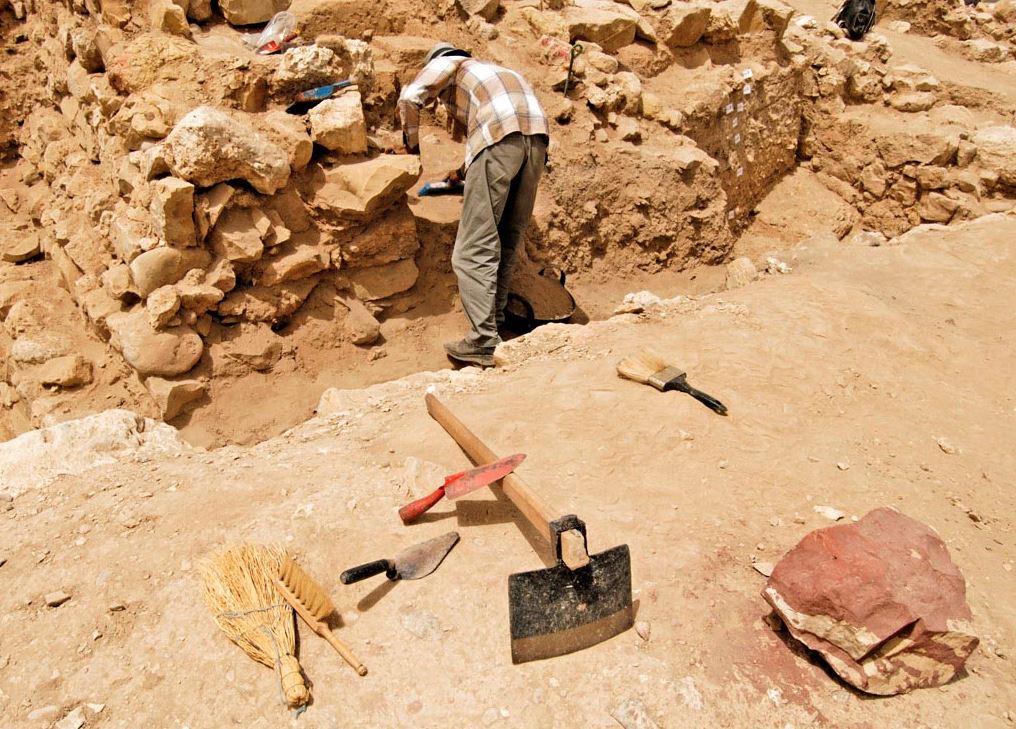
Field kits, lab benches, and quiet methods turn soil, stone, and shadow into stories worth keeping
The Humble Trowel and its Many Conversations
A good trowel trims strata like a sculptor trims clay, its edge slides under flakes of soil, lifts them with care, then pauses so the hand can read texture and moisture, and with each controlled slice the digger builds a clean profile that reveals color shifts, compact lenses, and the faint outlines of features that first appear as nothing more than a hesitation in the ground.
Brushes That Move Dust Without Moving History
Stiff bristles sweep gravel, soft bristles coax powder away from bone or plaster, and the best strokes follow contours rather than fight them, because dust hides detail and detail guides judgment, and when the light is low a brush can reveal tool marks on pottery rims or threads of textile that a careless breath would scatter.
Dental Picks and the Patience of Millimeters
Metal picks shaped for mouths become perfect allies for soil that clings to delicate edges, they lever sand grain by grain from bead holes, they lift silt from a tiny groove on a seal, and they allow progress when a larger tool would turn an object into crumbs that no lab can reassemble.
Sieves and the Art of Catching What Falls Through
Nested screens separate pebbles from bone splinters and charred seeds, water poured over mesh teases out fish scales, and gentle shaking brings small finds to the surface where fingers can save them, and each tray returns from the spoil heap with evidence that hands missed in the square, a reminder that discovery continues after the trowel moves on.
Strings, Stakes, and a Grid that Becomes Memory
Lines pulled tight over wooden pegs turn ground into coordinates, datums fix height so every depth has meaning, and plumb bobs teach vertical truth in a world of irregular walls, and later the photograph of a trench reads like a map only because string once disciplined the space where layers met intention.
Tape Measures and Folding Rules that Refuse to Lie
Numbers matter only if they repeat, so tapes stretch along baselines and fold out across floors to capture lengths and widths with calm precision, and when walls wander or stones tilt, the rule bends around corners yet the notes remain straight, which keeps later drawings honest when memory tries to decorate what the soil actually offered.
Levels, Line Levels, and the Logic of Plane and Slope
Bubble vials float within clear tubes to declare when a surface is truly level, small line levels hang from string grids to confirm that a course is flat enough for accurate recording, and when a feature rises or sinks the difference becomes intelligible only because the reference plane has been agreed by everyone with a glance to the bubble.
Total Stations and the Quiet Geometry of Beams
A tripod steadies a device that measures angles and distances with steady certainty, prisms reflect signals from targets across the site, and with a few clicks a scatter of points turns into a plan where stones, pits, and posts sit exactly where they belong, which allows future seasons to overlay new data without guessing about yesterday’s choice of scale.
GPS Receivers and the Discipline of Coordinates
Handheld units log positions that tie trench corners to the wider world, base stations refine those points until a stake in a field speaks the same language as a satellite, and when the season ends the coordinates anchor drawings, models, and reports to maps that anyone can visit again without the original crew.
Drones that Catch Patterns Feet Cannot See
Small aircraft rise for a few minutes to collect overlapping images, software stitches them into mosaics where crop marks, soil stains, and subtle banks appear as gentle tones, and the aerial view catches alignments that look random from ground level, which guides new trenches toward answers instead of hunches.
Photogrammetry and the Gift of Measured Images
A ring of photographs becomes a textured model once key points match across frames, scale bars and color cards ensure that the model is faithful to size and tone, and the resulting surface freezes a moment in time so that a floor, a vessel, or a skull can be studied again long after the trench has moved to a deeper layer.
Color Charts that Teach Eyes to Agree
Soil color looks different in shadow than in sun, and two people will name the same brown with two different words unless a standard book sits open beside the profile, so workers match a damp patch to a printed swatch and write the code, which prevents gentle debates from turning into data drift.
Hand Lenses and the World Inside a Pinch of Soil
A small magnifier reveals mineral grains, phytoliths, root hairs, and ash particles, and with a tilt toward the light the shift from silt to sand becomes a clear border, which helps the excavator decide whether a darker band is a living surface or a stain from percolating water that fooled everyone at first glance.
Flotation Tanks that Let Charred Seeds Rise
Soil samples enter a gentle bath, light material floats into a mesh and sinks onto paper for drying, heavy material settles for later picking, and from this wet choreography come seeds, chaff, and tiny bones that rewrite diets and seasons, often with more authority than any splendid artifact can claim.
Magnetometers that Hear What Hands Cannot Touch
Sensors move across fields in calm lines, they detect small variations in magnetism left by hearths, ditches, and fired bricks, software turns those whispers into grayscale maps, and the crew returns with flags to test anomalies that look like ghosts until the first spade confirms that physics and history agree more often than chance.
Ground Penetrating Radar and the Patience of Echoes
A sled slides along grass while a radar pulse dives and returns, layers bounce back at different times, profiles stack into slices that suggest walls, voids, and graves, and judicious cuts verify what the waves proposed, a partnership that saves time and preserves areas that would not benefit from excavation.
Resistivity Meters and the Story of Moisture
Metal probes send a harmless current through soil, damp fill conducts better than dry stone, and the instrument records those contrasts as numbers that bloom into maps, and with enough passes the plan of a vanished building emerges as a calm pattern of light and dark that invites a trench exactly where clarity is most likely.
Field Cameras, Scales, and the Art of Useful Images
A camera on a strap and a kit of scales, north arrows, and slates turns every context into a record others can trust, lenses stay clean, apertures stay small for depth across uneven surfaces, and frames include edges for context and detail for texture, so that a later reader does not need the photographer to explain what matters.
Notebooks, Tyvek Tags, and the Discipline of Writing While Muddy
Pencils survive light rain and sweaty hands, waterproof pages hold sketches that include measurements and notes on smell and resistance, tags printed with serial numbers tie objects to layers and layers to dates and people, and this paper backbone supports every digital system when batteries falter or screens glare in noon light.
Tablets, Databases, and the Path from Trench to Archive
Rugged tablets capture context sheets, coordinates, and photographs in forms that prevent mistakes, local copies sync to central servers when the camp regains signal, and controlled vocabularies whisper reminders so that names, codes, and units stay consistent across teams, a quiet safeguard against the chaos that sunlight and fatigue can breed.
Sample Bags, Vials, and the Housekeeping of Micro Evidence
Heavy duty bags hold pottery and bone without tearing, small vials protect charcoal, pigments, and residue scrapings, and each container carries a label that matches the register, which keeps tiny hints from losing their story as they travel from trench to lab through vehicle bumps and border checks.
Gloves, Masks, and the Promise to Future Tests
Protective gear shields people from mold, dust, and sharp edges, and it shields samples from oils and stray DNA, so nitrile gloves and clean tools become part of method rather than theater, because prevention today means that tomorrow’s analyst can trust the signal that remains on a bead, a tooth, or a shard.
Conservation Kits that Stop Time Gently
Field consolidants, neutral pH tissues, soft brushes, and humidity boxes stabilize fragile objects before travel, supports molded from foam cradle shapes that would snap if left to roll, and logs note every treatment so that conservators in a lab know exactly what touches the artifact has already endured.
Portable XRF and the Chemistry of Place
A handheld instrument reads the spectrum from a brief burst on a surface, elements appear as peaks that suggest sources and recipes, and while the device gives screening rather than absolute truth, it guides sampling and helps distinguish local from imported metal, pigment, or glass before the object leaves the site.
Microscopes that Turn Surfaces into Landscapes
Reflected light shows polish and striations on stone tools, transmitted light reveals plant cells and starch grains in residues, and with a change of lens the story moves from visible to minute, and edges that once looked plain become records of cutting, scraping, or drilling that only a high magnification can confess.
FTIR and Raman for the Fingerprints of Materials
Infrared spectra record bonds within organics and minerals, laser scattering reveals crystalline structures, and together these methods turn fragments of resin, pitch, or pigment into identifiable substances, which allows the report to say not just black paint but a specific mineral or binder that links one workshop to another.
CT Scanners and the Gift of Seeing Inside
Medical grade machines or industrial units rotate objects within beams that slice them into images, software reassembles slices into volumes, and a sealed jar gives up its contents without a crack, or a wrapped animal shows bones and amulets in situ, knowledge won without subtracting anything from what time has protected.
Plaster, Bandages, and Jackets that Move Fragile Worlds
When a cluster of bones or a basket of seeds refuses to travel piece by piece, the block lifts inside a protective shell made on site, layers of cloth dipped in plaster harden into armor, and the entire mass reaches the lab where micro excavation happens under magnification, safe from wind and careless elbows.
Wheelbarrows, Buckets, and the Plain Tools that Save Backs
Loads move from trench to spoil with steady wheels and handles that fit tired hands, and the pace of safe transport sets the rhythm of the day more than any discovery does, because a site that respects bodies lasts longer than a season and returns better work in every layer.
Tarps, Shade, and the Care of Surfaces that Wait
Poly sheets or woven covers slow drying, shade tents keep profiles from cracking, and sandbags hold edges against breeze and curious goats, and these unsung tools protect the very evidence the team came to record, which is why a well covered trench is a sign of a serious project even when no one is watching.
First Aid Kits and the Quiet Priority of Everyone Going Home
Bandages, splints, clean water, rehydration salts, and training that no one skips keep cuts clean and team members steady, and the presence of a stocked kit on a wall or in a pack announces an ethic more clearly than any policy can, the ethic that no artifact outranks a person.
Ethical Toolkits that Travel in the Mind
Permissions, community meetings, transparent registers, and plans for storage and display act as instruments as real as any trowel, since trust opens doors and protects sites better than locks, and a project that treats neighbors as partners finds more knowledge and leaves more goodwill than any vault of artifacts could ever hold.
Training as the Sharpest Edge
Workshops on sampling, recording, conservation, and safety turn a mixed crew into a choir where each voice knows its part, mentorship passes small tricks that manuals miss, and rehearsal on practice pits before the real trench ensures that when history appears in a thin band of ash, no one learns on the only example the site will ever offer.
From Field to Lab to Public, One Kit Becomes Many
The shovel that opened the first cut yields to the brush in the square, the bag yields to the microscope on the bench, and the dataset yields to maps and models shared with visitors and readers, and at each step the correct tool reduces harm and increases meaning until the final report does justice to the fragile facts rescued from the ground.
Repair, Calibration, and the Time Spent When No One Claps
Sharpening edges, oiling hinges, checking level bubbles, calibrating sensors against known standards, and replacing seals before they fail keeps a season from stalling at the worst moment, and crews that schedule maintenance learn that reliability is a form of respect for the past and for the people who came to serve it.
Future Tools Waiting at the Edge of Use
Lightweight spectrometers grow more precise, tiny drones hover longer, on site DNA labs promise cleaner sequences, and open software lets small teams build maps once reserved for big budgets, and as each device joins the kit the rule remains the same, more care than speed, more context than display, more listening than certainty.
The Kit That Builds a Conversation
Archaeological tools matter because they convert touch into understanding without erasing what they touch, they slow hands until the earth feels ready to remember, and if we choose and care for them with humility, they will keep turning mute layers into clear voices that can be shared with neighbors, students, and strangers who deserve more than rumor from the soil beneath their feet.